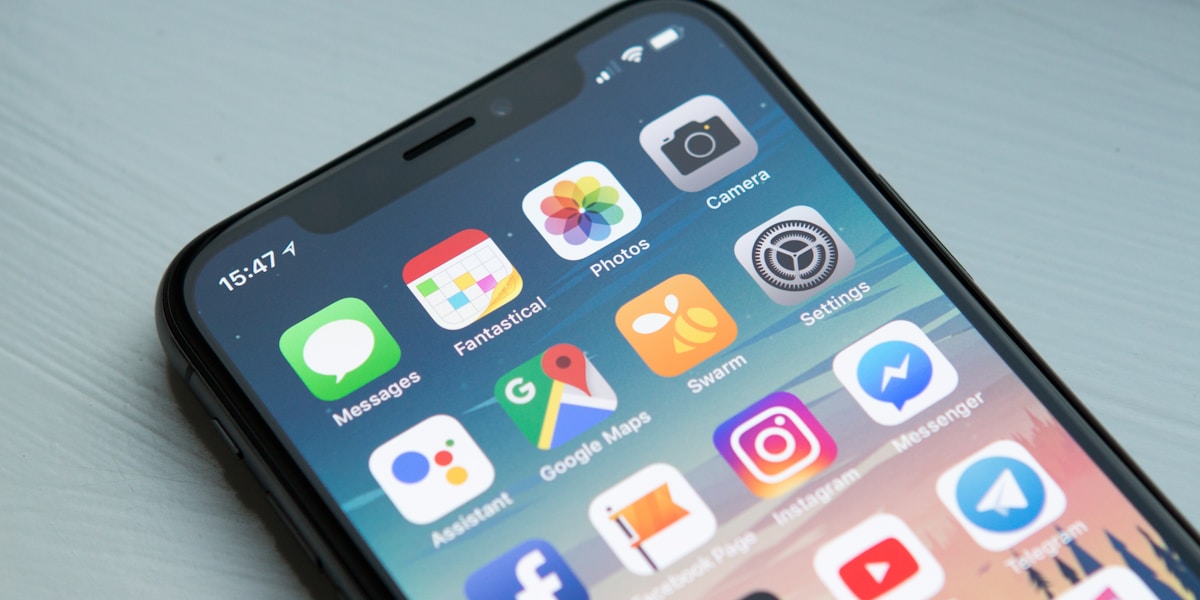
A new study from the University of Maryland School of Medicine suggests that tracking daytime symptoms like fatigue and mood through smartphone apps may be more effective than traditional sleep diaries for determining whether insomnia medications are working.
The research, published in January 2026, marks the first randomized controlled trial to incorporate smartphone ecological momentary assessment as an outcome measure in a sleep-focused clinical trial.
Beyond Nighttime Symptoms
The findings challenge the conventional focus on nighttime sleep metrics when evaluating insomnia treatments. Researchers found that real-time smartphone-based assessments detected improvements in daytime symptoms, including cognitive function, fatigue and mood, that traditional methods missed.
"Improving sleep isn't enough," the researchers concluded, arguing that daytime function should be a key measure when assessing whether insomnia treatments are effective.
Following a two-week course of treatment, the smartphone-based assessment approach detected treatment effects more powerfully than traditional methods such as sleep diaries and morning questionnaires.
The implications are significant for clinical practice: a treatment that improves sleep duration but leaves patients feeling exhausted during the day may not be truly effective.
Circadian Rhythms and the Insomniac Brain
Supporting this shift toward understanding insomnia as a 24-hour condition, Australian researchers have found compelling evidence linking insomnia to disruptions in the brain's natural daily rhythm of mental activity.
Published in Sleep Medicine, the study led by the University of South Australia is the first to map how cognitive activity fluctuates across the day in individuals with chronic insomnia. The findings suggest that the condition affects brain function around the clock, not just at bedtime.
Current treatments often focus on behavioral strategies for nighttime, but these findings suggest that tailored approaches addressing circadian and cognitive factors could offer a more comprehensive solution.
Emerging Therapies on the Horizon
The insomnia treatment landscape is expanding beyond traditional sleep aids. Researchers are exploring drugs that target wakefulness-promoting systems rather than simply inducing sedation, as well as molecules derived from cannabis and wearable devices that modulate brain activity.
A study published in PLOS Mental Health found that insomnia patients taking cannabis-based medical products reported better quality sleep after up to 18 months of treatment. However, the authors cautioned that randomized controlled trials are needed to prove these products are safe and effective.
In the coming years, researchers hope to learn enough about insomnia's causes and treatments to recommend personalized therapies based on an individual's specific demographics, genetics and co-morbidities.
Menopause-Related Insomnia Gets Attention
Researchers from the University of Utah are contributing to a five-year landmark initiative aimed at enhancing treatment options for women experiencing menopause-related insomnia. The study, funded by the Patient-Centered Outcomes Research Institute, will evaluate multiple treatment approaches.
The trial will compare self-guided internet-based cognitive behavioral therapy for insomnia, the antidepressant trazodone and daridorexant, a newer medication that blocks orexin receptors involved in wakefulness.
Melatonin Safety Concerns Emerge
While millions of Americans reach for melatonin supplements to help them sleep, new research raises questions about long-term safety. A review of five years of health records for more than 130,000 adults with insomnia who had used melatonin for at least a year found concerning associations.
According to research presented at the American Heart Association Scientific Sessions, long-term melatonin users were more likely to be diagnosed with heart failure, require hospitalization for the condition or die from any cause compared to non-users.
The findings raise safety concerns about melatonin, which is widely available without a prescription and largely unregulated in the United States. The authors suggested more research is needed to assess the supplement's cardiovascular safety.
What This Means for Patients
For the estimated 30% of adults who experience insomnia symptoms, these developments suggest a more nuanced approach to treatment may be coming. Rather than simply counting hours of sleep, clinicians may increasingly focus on how patients feel and function during waking hours.
Patients struggling with insomnia might consider:
- Tracking both nighttime sleep and daytime symptoms to share with their healthcare providers
- Discussing the full range of treatment options, including cognitive behavioral therapy
- Being cautious about long-term use of over-the-counter sleep aids, including melatonin
- Asking about newer treatments that address circadian rhythm disruptions
As research continues to reveal the complexity of insomnia, treatment is likely to become more personalized and more focused on overall quality of life rather than sleep metrics alone.


